Black stories should be told all year long, and Black History Month is a reminder to remember and reflect on the contributions Black people have made both globally and in Canada.
Black History Month originated in 1926, when scholar Carter G. Woodson created Negro History Week in order to highlight the contributions of Black people to society. Woodson was the second Black person (after W. E. B. Du Bois) to earn a PhD from Harvard University. He chose February because it was the birth month of two important figures who shaped the history of Black Americans – Frederick Douglass and Abraham Lincoln. Black History Month was not officially recognized in the United States until 1976 (the country’s bicentennial celebration).
The observance of Black History Month in Canada was led by the Ontario Black History Society, who petitioned the City of Toronto to recognize it formally in 1979. The House of Commons officially voted to recognize February as Black History Month in December 1995. The Senate approved a motion introduced by Senator Donald Oliver (the first Black man appointed to the Senate) to recognize the month in February 2008.
For Black History Month, we have gathered resources available either freely to the public or through UBC Library. Explore these resources and consider the contributions of Black people to your field – are those contributions widely known? If not, how easy is it to find information about them? What can you do in your own work to highlight the contributions of Black people to your field – not just in the past, but uplifting contemporary voices and thinkers?
Events:

Beyond Representation: Celebrating Black Excellence in BC Healthcare
Join Vancouver Coastal Health and UBC’s Faculty of Medicine Office of Respectful Environment, Diversity, and Inclusion on Wednesday, February 28th, 2024, from 12:00 pm – 1:30 pm (PST) for “Beyond Representation: Celebrating Black Excellence in BC Healthcare” to learn about and celebrate the important contributions made by Black professionals in BC healthcare. During this session, the panelists will share their experiences navigating the healthcare work environment and emphasize the importance of recognizing and promoting Black excellence in health care.
Applied Science Pop-Up Museum
Lasting from February 1st to February 29th, check out the pop-up museum curated by UBC Applied Science in the atrium of the Fred Kaiser Building. Rediscover Black history in areas such as engineering, nursing and planning.

Black History Month at UBC
For further events happening at UBC this month, here is a compiled list of events on campus.
Recordings:
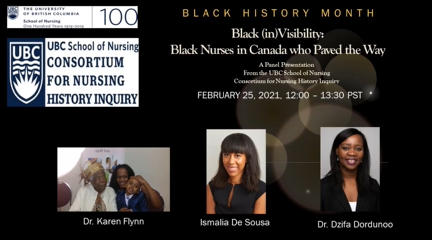
Black (in)Visibility : Black Nurses in Canada who Paved the Way
In recognition of Black History month, the Consortium for Nursing History Inquiry at the UBC-V School of Nursing hosted an online nursing history panel on February 25, 2021, called: “Black (in)Visibility: Black Nurses in Canada who Paved the Way.” It recognizes the significant historical contributions of Black nurses to health care in British Columbia and Canada. (see below also: Reflections on Black Nurses’ Invisibility)
“Where are all the Black People?” Speaker Series
This series, which aimed to “foreground Black voices in fields where Blackness is particularly underrepresented, and provide actionable and measurable strategies to UBC to increase Black representation and Black excellence in these fields,” is available to watch online. Watch recordings of seven lectures, with topics including “Black Women in STEM” and “Black Underrepresentation in Medicine and Community Health.”
Explore Virtually:
UBC Applied Science Black History Month Virtual Museum
UBC Applied Science has curated a virtual museum for Black History Month. Explore panel recordings and stories of Black contributions to applied science, engineering, nursing, and community planning in Canadian history. In February there will also be a physical pop-up museum in the atrium of the Fred Kaiser building.

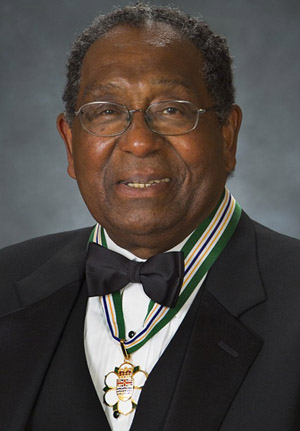
Dr. Felix Durity – Renowned Neurosurgeon and Humanitarian
Dr. Felix Durity, Professor Emeritus at UBC, is a renowned neurosurgeon who earned his MD at UBC. He donated to create the Black Student Pathway Support Fund, which provides financial support for Black students. He was named one of the “Best Doctors in Canada” in 1998, was inducted into the Order of British Columbia in 2005, and was honored at the 2011 Alumni Achievement Awards with the Outstanding Faculty Community Service Award. He is a founding board member of Korle Bu Neuroscience Foundation, an organization that aims to improve care for patients with brain and spine diseases in West Africa.
Reflections on Black Nurses’ Invisibility: Exploring the Contribution of Black Nurses to British Columbia (Canada), 1845-1910
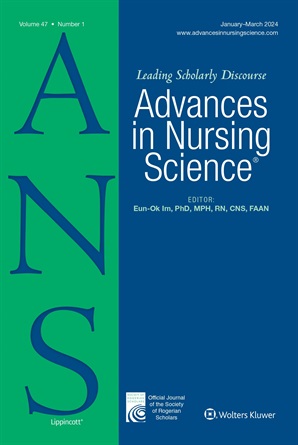
This journal article delves into the history of Black nurses in British Columbia and considers the ways their roles disrupted conceptions of Blackness and Black womanhood. It was written by Ismalia De Sousa, MSc, RN; Lydia Wytenbroek, PhD, RN; Geertje Boschma, PhD, RN; and Sally Thorne, PhD, RN of UBC’s School of Nursing.
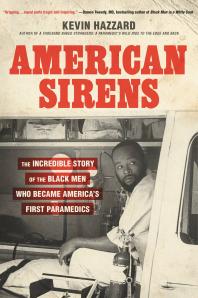
Freedom House EMS
Freedom House EMS was the first paramedic service in America, founded by a group of Black men who recognized a need for better emergency services in their community. Read the eBook “American Sirens: The Incredible Story of the Black Men Who Became America’s First Paramedics” by Kevin Hazzard or listen to the episode “Freedom House Ambulance Service” of the podcast 99% Invisible to learn more.
William Allen Jones – The First Dentist in BC
William Allen Jones (or “Painless Jones”) was the first ever licensed dentist in British Columbia. Check out these two biographies compiled by the BC Black History Awareness Society to learn more about his life.

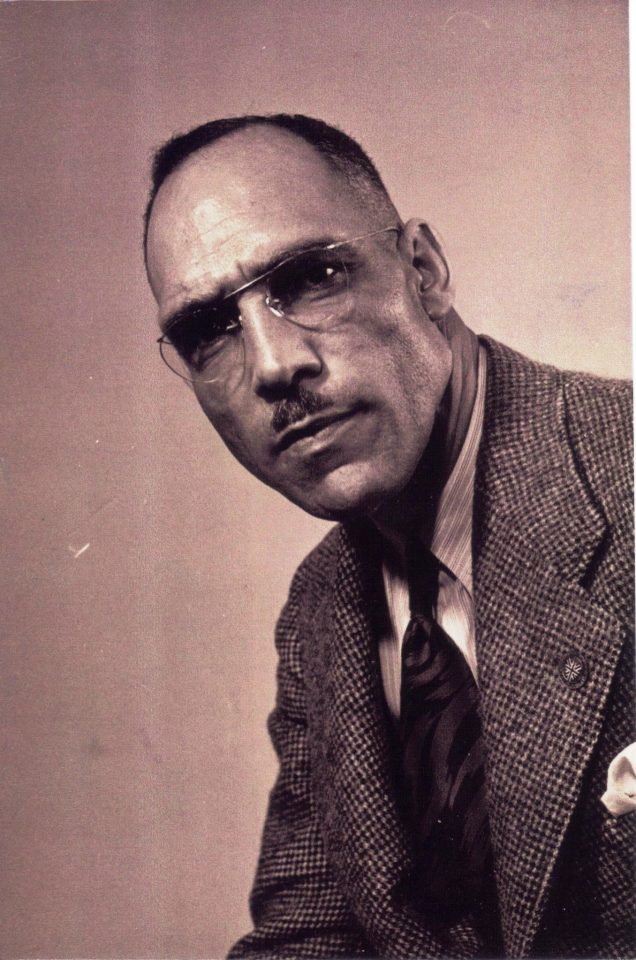
Charles Lightfoot Roman, MD, CM – Surgeon
Charles Lightfoot Roman was a surgeon and one of the first Black graduates of McGill’s Faculty of Medicine. He served in WWI as part of the Canadian General Hospital. He was one of the first industrial medicine doctors (under the Dominion Textile Company) and was considered an expert in the field of industrial medicine
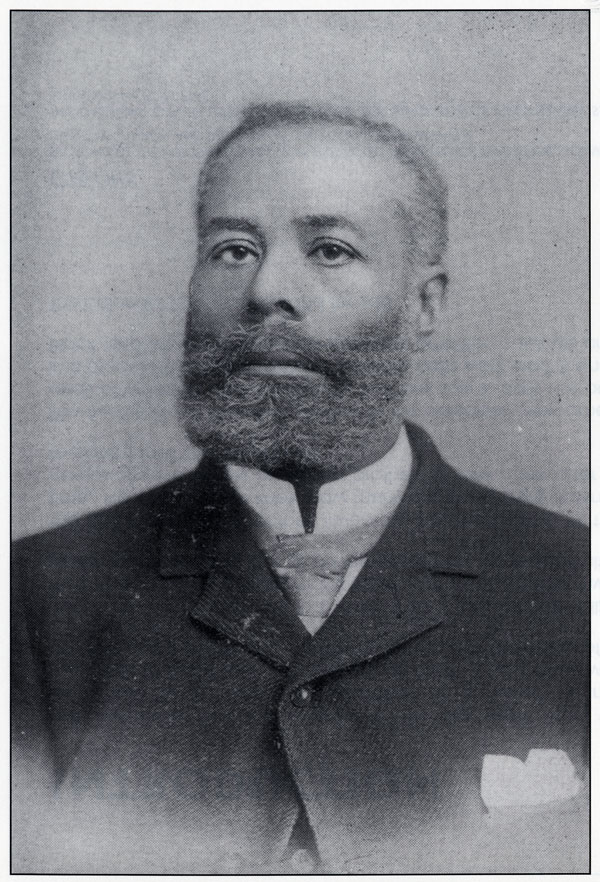
Elijah McCoy – Mechanical Engineer and Inventor
Elijah McCoy was a mechanical engineer and inventor. He worked at one point as a fireman for the Michigan Central Railroad, where the steam engine would encounter problems because the lubricants often wore off quickly, which caused significant delays. He invented a device called an “oil-drip cup” that dispensed a consistent amount of lubricant into the engine. After this, his career centered around innovating new lubricants and lubrication devices for mechanical engines.